Español
 Francés
 Русский
 Português
 Deutsch
 Italiano
 العربية
 Magyar
 Română
 Filipino
 日本語
日本語
 한국어
한국어
 Việt
Việt
 Nederlands
Lost A Tooth? What To Know About Dental Implants
If you've recently lost a tooth, whether to an accident, tooth decay, periodontal disease, or another reason, a dental implant may be a solution to replace your missing tooth.
What are dental implants?
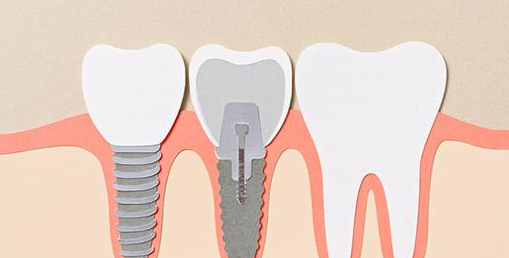
A dental implant is a medical device designed to replace a tooth that has been lost due to injury, genetic predisposition, or dental disease. Unlike dentures, which sit on top of the gums and can be removed, implants are permanent.
Dental implants consist of three parts: a titanium screw (the implant) that is surgically placed into the jawbone to replace the root of the tooth; a small connector (called an abutment) that attaches to the implant above the gumline; and a crown (an artificial tooth) that is placed over the abutment. Surgery is required to insert the titanium screw into the jawbone.
Who can benefit from a dental implant?
Anyone who has lost one or more teeth may benefit from a dental implant. Common causes of tooth loss include:
·periodontal disease
·injury or accident
·smoking
·poor nutrition
·aging
·chronic diseases such as diabetes, COPD, and rheumatoid arthritis
·genetic predisposition.
Who is not a good candidate for dental implants?
You may not be a good candidate for a dental implant if you:
·are a current smoker
·have severe periodontal disease
·have certain underlying medical conditions such as bleeding disorders, uncontrolled type 2 diabetes, immune deficiencies, some cardiovascular conditions, and certain bone diseases
·are undergoing treatment, such as chemotherapy, which can interfere with the body's ability to heal
·are taking a bisphosphonate drug to treat osteoporosis
·are unable to maintain good oral hygiene.
Benefits of a dental implant
Missing teeth can cause problems with chewing. This, in turn, can lead to nutritional deficiencies. Missing teeth can also cause trouble with speech, and can lead to worsening oral health problems. In addition, people without a full set of teeth may feel self-conscious about their appearance.
Dental implants can help by:
·restoring the ability to chew
·preventing bone loss in the jawbone
·improving gum health and oral health
·stabilizing surrounding teeth
·improving cosmetic appearance.
Together, these benefits can help to improve overall health.
The dental implant procedure: What to expect
There are several steps involved in the dental implant procedure. The entire process — from the surgical insertion of the implanted screw to the placement of the crown — can take several months. The timing of the steps in this process varies from person to person.
Potential risks and considerations
Most dental implant procedures are successful. However, as with all surgeries, the procedure involves risks. Possible complications include:
·damage to the surrounding teeth during implant placement
·nerve damage to the surrounding area
·injury to the jawbone
·injury to tissue in the sinuses
·misaligned teeth that may affect your bite
·infection of the implant
·failure of the implant to fuse with surrounding bone.